ضمن مشروع BRCCJ الذي تنفذه الفاو
انطلاق جلسات تشاورية مع جمعيات محلية لتعزيز الزراعة الذكية مناخيًا
العقبة الإخباري
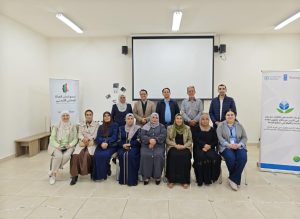
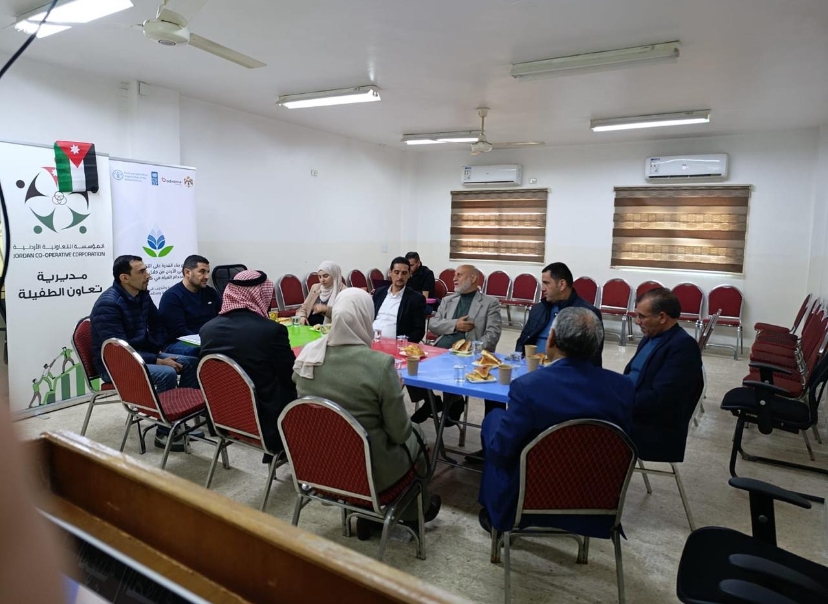
إنطلقت في محافظات حوض البحر الميت: مأدبا والكرك والطفيلة ومعان المرحلةالثانية من جلسات تشاورية لتعزيز الزراعة الذكية مناخيا، وذلك ضمن مشروع “بناءالقدرة على التكيف مع تغير المناخ في الأردن من خلال تحسين كفاءة استخدام المياهفي قطاع الزراعة (BRCCJ) الممول من صندوق المناخ الأخضر(GCF) و تنفذه منظمةالأغذية والزراعة للأمم المتحدة (FAO)، بالتعاون مع وزارات المياه والري، والزراعة،والبيئة، وبالشراكة مع برنامج الأمم المتحدة الإنمائي (UNDP).
وتهدف هذه الجلسات إلى مراجعة مخرجات المرحلة الأولى، وجمع التغذية الراجعةمن الجمعيات التي شاركت سابقًا، إلى جانب تعريف الجمعيات المستجدة بأهدافالمرحلة الثانية وآليات تنفيذ البرنامج التدريبي المقبل.
وتُنفذ الجلسات التشاورية بالشراكة مع شركة Advance Consulting في إطار نهجيركز على إشراك المهتمين وضمان تصميم تدخلات تستجيب للاحتياجات الفعليةللجمعيات، بما يعزز من أثر المشروع على أرض الواقع.
وشهدت الجلسات استعراض أبرز إنجازات المرحلة الأولى، والتي شملت تنفيذ برنامجاتدريبيا متخصصا في الزراعة الذكية مناخيًا، إضافة إلى مناقشة التحديات التي واجهتالجمعيات، لا سيما في مجالات إدارة المياه، والتكاليف، والتسويق، إلى جانباستخلاص الدروس المستفادة.
ومن المقرر خلال المرحلة الثانية من هذا البرنامج ، التواصل مع الجمعيات المشاركةلترشيح متدربين وفق معايير محددة، بما يضمن اختيار مشاركين قادرين على تطبيقالمعارف المكتسبة وتعزيز أثر المشروع داخل مجتمعاتهم المحلية.
وشهدت الجلسات تفاعلًا لافتًا من ممثلي الجمعيات التعاونية والخيرية، الذين قدموامجموعة من الملاحظات والتوصيات، من المتوقع أن تسهم في توجيه تصميم المرحلةالمقبلة.
ويأتي هذا البرنامج في إطار جهود منظمة الأغذية والزراعة وشركائها لتعزيز جاهزيةالمجتمعات المحلية لمواجهة التغير المناخي، من خلال تطوير برامج تدريبية عمليةتقوم على التشاركية والتغذية الراجعة.
و يهدف مشروع “بناء القدرة على التكيف مع تغير المناخ في الأردن من خلال تحسينكفاءة استخدام المياه في قطاع الزراعة ((BRCCJ المُندرج ضمن البرنامج التنفيذيلرؤية التحديث الإقتصادي إلى تعزيز التنمية المستدامة المقاومة للمناخ داخلالمملكة، وبشكل أكثر تحديدا، زيادة قدرة نظم إدارة المياه والمجتمع الزراعي علىالتكيف مع تغير المناخ.
ويستهدف المشروع الذي تبلغ قيمته 33.25 مليون دولار أمريكي محافظات حوضالبحر الميت – الكرك ومأدبا والطفيلة ومعان – المعرضة بشكل خاص للإجهاد المائيالناجم عن تغير المناخ.
As part of the BRCCJ project implemented by FAO
Launch of consultative sessions with local associations to promote climate-smart agriculture
Madaba – April 26, 2026
The second phase of consultative sessions aimed at promoting climate-smart agriculture has been launched in the Dead Sea Basin governorates—Madaba, Karak, Tafileh, and Ma’an. These sessions are part of the project “Building Resilience to Cope with Climate Change in Jordan through Improving Water Use Efficiency in the Agriculture Sector (BRCCJ),” funded by the Green Climate Fund (GCF) and implemented by the Food and Agriculture Organization of the United Nations (FAO), in cooperation with the Ministries of Water and Irrigation, Agriculture, and Environment, and in partnership with the United Nations Development Programme (UNDP).
These sessions aim to review the outcomes of the first phase, gather feedback from associations that previously participated, and introduce newly engaged associations to the objectives of the second phase and the mechanisms of the upcoming training program.
The consultative sessions are implemented in partnership with Advance Consulting, within an approach that emphasizes stakeholder engagement and ensures the design of interventions that respond to the actual needs of associations, thereby enhancing the project’s impact on the ground.
The sessions included a presentation of the key achievements of the first phase, which involved delivering a specialized training program in climate-smart agriculture. Discussions also addressed challenges faced by associations, particularly in water management, costs, and marketing, in addition to identifying lessons learned.
During the second phase, participating associations will be contacted to nominate trainees based on specific criteria, ensuring the selection of participants capable of applying the acquired knowledge and strengthening the project’s impact within their local communities.
The sessions witnessed strong engagement from representatives of cooperative and charitable associations, who provided a range of observations and recommendations expected to help guide the design of the next phase.
This program comes within the broader efforts of FAO and its partners to enhance the readiness of local communities to face climate change, through the development of practical, participatory training programs built on feedback and collaboration.
The “Building Resilience to Cope with Climate Change in Jordan through Improving Water Use Efficiency in the Agriculture Sector (BRCCJ)” project, which falls under the executive program of the Economic Modernization Vision, aims to promote climate-resilient sustainable development in Jordan. More specifically, it seeks to increase the capacity of water management systems and the agricultural community to adapt to climate change.
With a total value of USD 33.25 million, the project targets the Dead Sea Basin governorates—Karak, Madaba, Tafileh, and Ma’an—which are particularly vulnerable to water stress resulting from climate change.