“الفاو” تعزز الممارسات الآمنة لاستخدام المياه المستصلحة في الزراعة في محافظات الجنوب
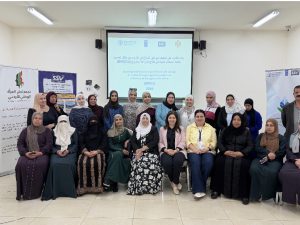
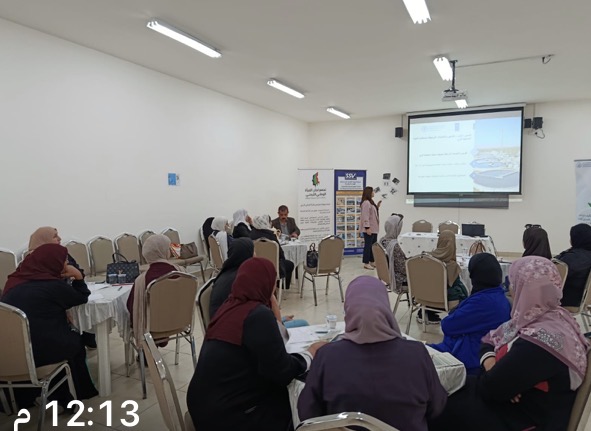
العقبة الإخباري – إنطلقت في محافظة مأدبا ورشات تدريبية تهدف إلى تعزيز الوعيوالمعرفة العملية حول الاستخدام الآمن والمستدام للمياه المستصلحة في الزراعة،ورفع قدرات المزارعين وممثلي منظمات المجتمع المدني والجهات المحلية ذاتالعلاقة، بما يسهم في تحسين كفاءة استخدام الموارد المائية ودعم الممارساتالزراعية المستدامة في ظل تحديات شح المياه وتغير المناخ.
وتُنفذ الورشة ضمن مشروع “بناء القدرة على التكيف مع تغير المناخ في الأردن منخلال تحسين كفاءة استخدام المياه في القطاع الزراعي (BRCCJ)”، الذي تنفذهمنظمة الأغذية والزراعة للأمم المتحدة (الفاو) بدعم من الصندوق الأخضر للمناخ، فيإطار الجهود الرامية إلى تعزيز قدرة المجتمعات المحلية والقطاع الزراعي على التكيفمع آثار تغير المناخ، وتحسين كفاءة استخدام المياه، وتشجيع تبني الممارسات الزراعيةالذكية مناخيًا.
ومن المقرر أن تتواصل ورشات التدريب في المحافظات الآخرى المستهدفة فيالمشروع، وهي الكرك والطفيلة ومعان، خلال الأيام المقبلة، بهدف توسيع نطاقأنشطة التوعية وبناء القدرات والوصول إلى مزيد من المجتمعات المحلية وأصحابالمصلحة. كما تهدف هذه الأنشطة إلى تعزيز الحوار وتبادل الخبرات حول الاستخدامالآمن والمستدام للمياه المستصلحة وتطبيقاتها في القطاع الزراعي.
وفي مستهل الورشة، قدمت خبيرة السياسات والتعليم في منظمة الأغذية والزراعةللأمم المتحدة (الفاو)، الدكتورة سامية عكروش، نبذة تعريفية حول مشروع BRCCJ،استعرضت خلالها أهداف المشروع ومحاوره الرئيسة، ودوره في تعزيز كفاءة استخدامالمياه في القطاع الزراعي، ودعم الممارسات الزراعية الذكية مناخيًا، وبناء قدراتالمجتمعات المحلية ومنظمات المجتمع المدني، بما يسهم في تعزيز القدرة علىالتكيف مع آثار تغير المناخ وتحقيق التنمية الزراعية المستدامة.
وتستند الورشة إلى الخبرات المكتسبة من أنشطة التوعية وبناء القدرات التي نُفذتسابقًا ضمن مشروع BRCCJ، والتي أظهرت اهتمامًا من المزارعين ومنظمات المجتمعالمدني بهذا الموضوع، وأكدت أهمية الجمع بين التدريب النظري والزيارات الميدانيةوالتواصل المباشر مع المزارعين الذين لديهم خبرات في استخدام المياه المستصلحةفي الزراعة.
ويُنفذ مشروع “بناء القدرة على التكيف في مواجهة التغير المناخي في الأردن من خلالتحسين كفاءة استخدام المياه في القطاع الزراعي (BRCCJ)” من قبل منظمة الأغذيةوالزراعة للأمم المتحدة (الفاو)، بتمويل من الصندوق الأخضر للمناخ (GCF)،وبالشراكة مع وزارات الزراعة، والمياه والري، والبيئة، وبرنامج الأمم المتحدة الإنمائي(UNDP).
ويمتد المشروع على مدى سبع سنوات، ويمثل أول مشروع في الأردن ممول منصندوق المناخ الأخضر (GCF)، ويأتي ضمن رؤية التحديث الاقتصادي.
Starting in Madaba
FAO Promotes Safe Practices for the Use of Treated Wastewater in Agriculture in Southern Governorates
Madaba – 23 August 2026
Training workshops have been launched in Madaba Governorate to raise awareness and strengthen practical knowledge on the safe and sustainable use of treated wastewater in agriculture.
The workshops aim to build the capacities of farmers, representatives of civil society organizations, and relevant local stakeholders, contributing to improved water-use efficiency and the adoption of sustainable agricultural practices in response to water scarcity and climate change challenges.
The workshop is being implemented under the Building Resilience to Cope with Climate Change in Jordan through Improving Water Use Efficiency in the Agriculture Sector (BRCCJ) project, implemented by the Food and Agriculture Organization of the United Nations (FAO), with support from the Green Climate Fund (GCF).
The project seeks to strengthen the capacity of local communities and the agricultural sector to adapt to the impacts of climate change, improve water-use efficiency, and promote the adoption of climate-smart agricultural practices.
Training workshops are scheduled to continue in the other targeted governorates—Karak, Tafileh, and Ma’an—in the coming days, with the aim of expanding awareness-raising and capacity-building activities and reaching more local communities and stakeholders. The activities also seek to promote dialogue and the exchange of knowledge and experiences on the safe and sustainable use of treated wastewater and its applications in the agricultural sector.
At the opening of the workshop, Dr. Samia Akroush, FAO Policy and Education Specialist, provided an overview of the BRCCJ project, highlighting its objectives and key components, its role in improving water-use efficiency in agriculture, promoting climate-smart agricultural practices, and building the capacities of local communities and civil society organizations. These efforts contribute to strengthening resilience to the impacts of climate change and advancing sustainable agricultural development.
The workshop builds on experience gained through previous awareness-raising and capacity-building activities implemented under the BRCCJ project. These activities demonstrated strong interest among farmers and civil society organizations in the topic and highlighted the importance of combining theoretical training with field visits and direct engagement with farmers who have practical experience in using treated wastewater for agricultural purposes.
The Building Resilience to Cope with Climate Change in Jordan through Improving Water Use Efficiency in the Agriculture Sector (BRCCJ) project is implemented by the Food and Agriculture Organization of the United Nations (FAO), funded by the Green Climate Fund (GCF), and implemented in partnership with the Ministries of Agriculture, Water and Irrigation, and Environment, as well as the United Nations Development Programme (UNDP).
The seven-year project represents the first Green Climate Fund (GCF)-financed project in Jordan