
الفاو والجامعة الآلمانية الآردنية تبحثان تعزيز دمج مفاهيم التغير المناخي والاستدامة في التعليم الزراعي في المناهج الأكاديمية
العقبة الإخباري –
بحثت منظمة الأغذية والزراعة للأمم المتحدة (الفاو) مع الجامعة الألمانية الأردنيةسبل تعزيز التعاون المشترك في مجالات تطوير المناهج الأكاديمية، ودمج مفاهيمالتكيف مع التغير المناخي والاستدامة ضمن البرامج التعليمية، بما يسهم في إعدادكوادر قادرة على مواجهة التحديات البيئية المستقبلية.
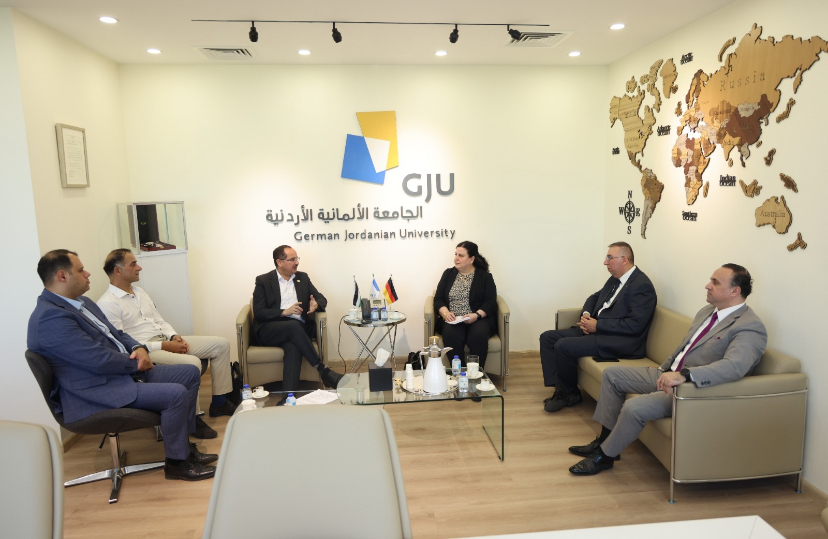
جاء ذلك خلال استقبال رئيس الجامعة الأستاذ الدكتور علاء الحلحولي وفدًا من منظمةالفاو، بحضور عميد كلية هندسة النظم المستدامة الأستاذ الدكتور أيمن الشرع،وعميد البحث العلمي الأستاذ الدكتور أسامة سعادة.
وضم وفد المنظمة الدكتورة سامية عكروش، مختصة السياسات والتعليم في الفاو،والدكتور أحمد السلايمة، أخصائي التغير المناخي ومستشار المنظمة، والدكتور لؤيجريسات، مستشار تطوير المناهج الدراسية.
وتأتي هذه الزيارة ضمن إطار مشروع “بناء القدرة على التكيف مع تغير المناخ فيالأردن من خلال تحسين كفاءة استخدام المياه في قطاع الزراعة (BRCCJ)” الذيتنفذه منظمة الفاو بدعم من صندوق المناخ الأخضر، وبالشراكة مع الحكومة الأردنيةوبرنامج الأمم المتحدة الإنمائي، ويستهدف محافظات حوض البحر الميت مأدباوالكرك والطفيلة ومعان.
ويهدف المشروع إلى تعزيز القدرة على التكيف مع التغير المناخي عبر تحسين كفاءةاستخدام المياه في القطاع الزراعي، من خلال تطوير أنظمة مائية أكثر قدرة علىالتكيف، وتحسين سبل العيش والأمن الغذائي، إضافة إلى تعزيز دمج مفاهيم التكيفالمناخي ضمن السياسات والمؤسسات والقطاع الخاص والمجتمع المدني.
وخلال اللقاء، استعرض الجانبان نتائج تحليل المناهج الهندسية في الجامعة، والتيأظهرت تميزًا في تضمين مفاهيم الاستدامة والهندسة البيئية، إلى جانب توفر محتوىأكاديمي متقدم في مجالات المياه والطاقة. كما جرى بحث فرص تطوير هذه المناهجبما يعزز جاهزية الطلبة والخريجين للتعامل مع التحديات المناخية ومتطلبات التنميةالمستدامة.
وأكد الأستاذ الدكتور علاء الحلحولي أن الجامعة الألمانية الأردنية تواصل جهودها فيتعزيز مفاهيم الاستدامة والعمل المناخي ضمن منظومتها الأكاديمية والبحثية، انطلاقًامن التزامها بدعم الابتكار والتعليم التطبيقي المرتبط بالتحديات البيئية والتنمويةالمعاصرة.
وأشار إلى أن التعاون مع منظمة الأغذية والزراعة للأمم المتحدة (الفاو) يشكل خطوةمهمة نحو تطوير بيئة تعليمية أكثر ارتباطًا بقضايا التغير المناخي، وبما يسهم في إعدادخريجين يمتلكون المهارات والمعرفة اللازمة لدعم مسارات التنمية المستدامة وتعزيزالقدرة على التكيف مع التحديات المناخية المستقبلية.
As part of the BRCCJ Project
FAO and the German Jordanian University Explore Strengthening the Integration of Climate Change and Sustainability Concepts into Agricultural Education Curricula
Madaba – 24 May 2026 –
The Food and Agriculture Organization of the United Nations (FAO) and the German Jordanian University (GJU) discussed ways to enhance joint cooperation in the fields of academic curriculum development and the integration of climate change adaptation and sustainability concepts into educational programs, with the aim of preparing qualified professionals capable of addressing future environmental challenges.
This came during a meeting hosted by the President of the University, Professor Ala’ Al-Halhouli, with a delegation from FAO, in the presence of the Dean of the School of Sustainable Engineering and Built Environment, Professor Ayman Al-Shar’a, and the Dean of Scientific Research, Professor Osama Saadeh.
The FAO delegation included Dr. Samia Akroush, Policy and Education Specialist at FAO; Dr. Ahmad Al-Salaymeh, Climate Change Specialist and FAO Consultant; and Dr. Loay Jreisat, Curriculum Development Consultant.
The visit took place within the framework of the project “Building Resilience to Cope with Climate Change in Jordan through Improving Water Use Efficiency in the Agriculture Sector (BRCCJ),” implemented by FAO with support from the Green Climate Fund, in partnership with the Jordanian Government and the United Nations Development Programme (UNDP). The project targets the governorates within the Dead Sea Basin: Madaba, Karak, Tafileh, and Ma’an.
The project aims to strengthen climate resilience through improving water-use efficiency in the agricultural sector by developing more climate-adaptive water systems, improving livelihoods and food security, and enhancing the integration of climate adaptation concepts into policies, institutions, the private sector, and civil society.
During the meeting, both sides reviewed the results of an analysis of the university’s engineering curricula, which demonstrated strong integration of sustainability and environmental engineering concepts, in addition to advanced academic content in the fields of water and energy. Opportunities to further develop these curricula were also discussed in a way that enhances students’ and graduates’ readiness to address climate challenges and sustainable development requirements.
Professor Ala’ Al-Halhouli affirmed that the German Jordanian University continues its efforts to strengthen sustainability and climate action concepts within its academic and research systems, stemming from its commitment to supporting innovation and applied education linked to contemporary environmental and developmental challenges.
He added that cooperation with the Food and Agriculture Organization of the United Nations (FAO) represents an important step toward developing an educational environment that is more closely connected to climate change issues, contributing to the preparation of graduates equipped with the skills and knowledge needed to support sustainable development pathways and enhance resilience to future climate challenges.